The role of finance in Environmental, Social & Governance (ESG) reporting

Share
Related Posts




ESG and its rise in importance
In recent years, the ESG agenda has seen a meteoric rise in prominence, with people and governments around the world taking a strong interest in genuine progress being made.
Organisations are now expected to not only deliver strong financial performance but also a positive social and environmental impact. As such, the CFO is expected to take on a greater strategic role to support those efforts, including sustainability disclosures as part of their annual reports.
According to KPMG, ESG issues represent the non-financial factors used to evaluate a company’s practices around:
- The conservation of the natural world
- The consideration of people and relations; and
- The standards of running a company
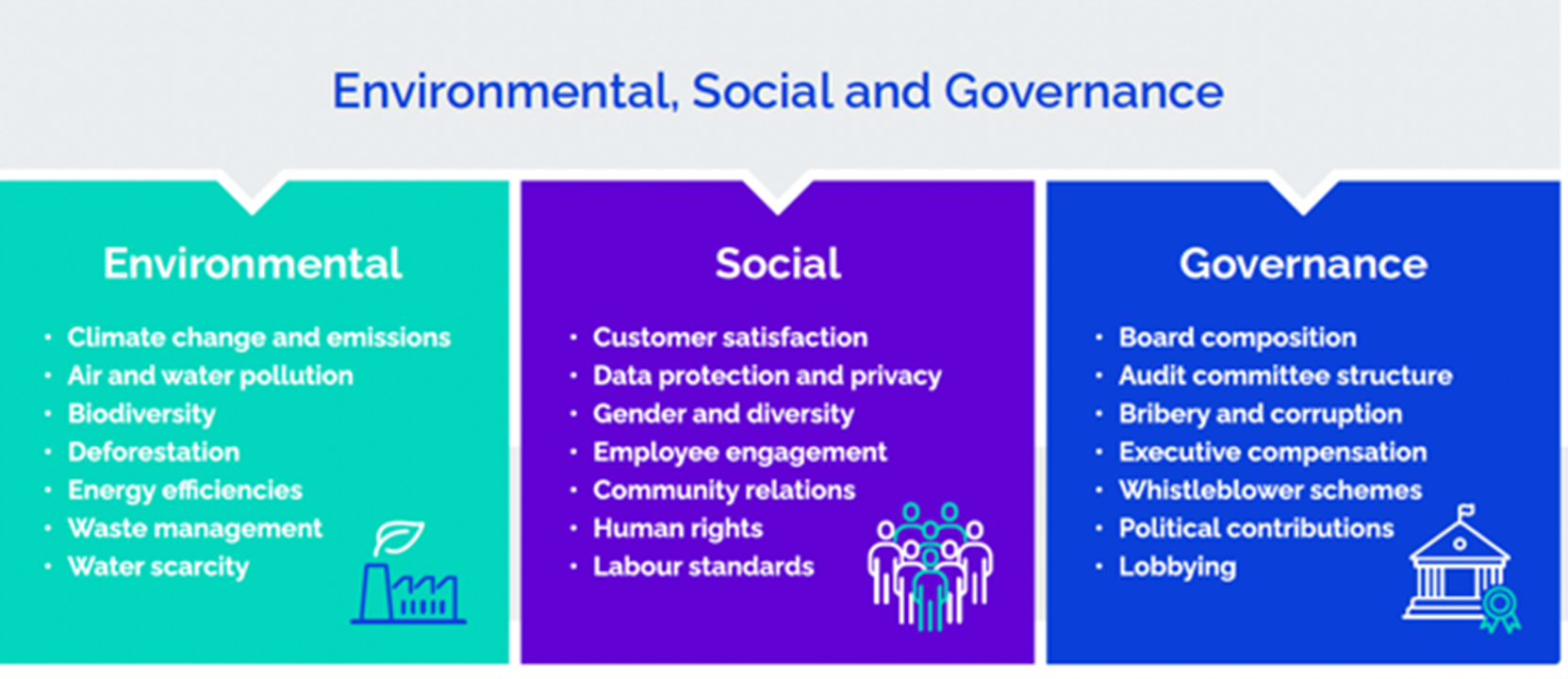
Finance, together with the teams responsible for ESG reporting, will need to work closer than ever as global regulators now demand climate-related disclosures, supported by auditable, verifiable data. Companies can no longer turn a blind eye to ever-increasing sustainability reporting laws and regulations that are coming into force globally.
The role of finance in ESG reporting
ESG goes beyond just reporting on environmental issues and should include data from across the business: human resources, supply chain, sales, finance and more. But it begins by understanding what metrics are currently being reported and what the organisation expects to report in the future.
A good ESG strategy should include creating sustained outcomes that drive value and fuel growth, whilst also strengthening the environment and society. But it is about more than just ‘ticking boxes,’ it is about making a difference in the world, for our- and future generations.
While a major part of ESG growth has been driven by the environmental component in response to climate change, stakeholders (shareholders, employees, customers, and regulatory bodies) expect organisations to take bold action on areas such as the environment, as well as social justice, equality, and inclusion.
At its core, whilst ESG is a multidisciplinary approach, ultimately someone needs to ‘own’ it. In larger organisations, there is typically a sustainability or environmental, health and safety function or even a specific ESG team. But, regardless of who owns the solution, finance should be involved and collaborate across all areas of the company to drive greater success and value for the company.
Given that finance works across functions and various business units, they are in a position to lead the organisation’s ESG reporting and data management approach. They are ideally placed and have the experience to compile and track the information needed for both the ESG strategies as well as any reporting, regulatory and compliance filings.
The ESG reporting process is a collaborative effort that is expected to prepare companies to address current and future needs of both regulatory and market expectations. Realistically, most ESG teams are not staffed up to manage the scale of reporting, so organisations are looking to finance to support this key area.
“A lot of this is still very manual and [data are] coming from operational parts of the business that are not used to having the rigour of a monthly financial close or don’t appreciate the need for having things done the same way every single month,” she said. “It’s been painful sometimes.” Sara DeSmith, ESG partner at PwC
Finance can support ESG in three key areas:
- Finance teams supporting the ESG, and leadership teams should help provide an overview of where the information will be shared, the purpose of aggregating the information and the importance of documentation.
- From a reporting perspective, finance should start by documenting processes, definitions, assumptions, and estimations. It is important to understand how the data collection process differs by region and functions to drive consistency in data.
- Additionally, finance professionals can perform a second level review of the control documentation and data. There is a heightened sense of urgency for companies to build these processes, including within the finance function.
To ensure high-quality reporting finance functions will need professionals with good knowledge of ESG topics, including the relevant laws, and data modelling capabilities. It is important for finance and the ESG teams to communicate in an effective way, as well as collaborate closely. It is critical that the organisation assesses its approach to ESG reporting, to understand if it supports the strategic objectives of the organisation, as well as satisfies any regulatory reporting requirements.
Moving forward, ESG related disclosures will likely be subject to the same kind of scrutiny and rigour as financial statements, and potentially independent assurance. This means that systems will need to be developed, processes created, controls implemented and governance to be applied to ensure high quality disclosures.
Finally, the finance function’s responsibility goes far beyond just reporting, they also need to ensure that the strategy is supported by sufficient budgeting to implement the required initiatives and plans. ESG and finance teams have an opportunity to collaborate to build value and identify risks, as well as new business opportunities.
For further information, including best practice tips, download our ESG best practice guide here